

Choosing the north or the south of the Dominican Republic is a key decision that shapes your entire trip. These two regions differ significantly in climate, landscapes, beaches, and travel style—and understanding those differences helps you plan smarter, travel better, and avoid disappointment.
This guide is written in natural US English, optimized for Google (search intent: north vs south Dominican Republic, best region Dominican Republic, Dominican Republic climate north vs south), and designed as a pillar blog post.


4
Quick Overview: North vs South Dominican Republic
| Feature | North Coast | South Coast |
|---|---|---|
| Climate | More humid, windier | Drier, sunnier |
| Rainfall | Higher, more frequent | Lower, more stable |
| Ocean | Atlantic – stronger waves | Caribbean Sea – calmer |
| Beaches | Scenic, wilder | Classic Caribbean |
| Tourism style | Active, local, surf-oriented | Relaxed, resort-friendly |
| Best for | Nature lovers, surfers | First-timers, families |
Climate Differences: North vs South
North Coast Climate
The north coast faces the Atlantic Ocean, which strongly influences weather patterns.
What to expect:
- More frequent rainfall (usually short showers)
- Higher humidity
- Stronger winds, especially in winter
- Slightly cooler evenings
This makes the north ideal for kiteboarding, windsurfing, and lush green landscapes, but less predictable for pure beach weather.
South Coast Climate
The south coast borders the Caribbean Sea, creating a noticeably different climate.
What to expect:
- More sunshine year-round
- Lower humidity
- Fewer rainy days
- Warmer, calmer conditions
For travelers prioritizing sunny beach days, the south coast is generally more reliable.
Beaches: Wild Atlantic vs Calm Caribbean
North Coast Beaches
Beaches in the north are dramatic and scenic, often backed by hills and vegetation.
Characteristics:
- Stronger waves
- Excellent for surfing and kitesurfing
- Less commercialized in many areas
- Rougher water for swimming at times
Popular northern beach regions include Puerto Plata and Cabarete.
South Coast Beaches
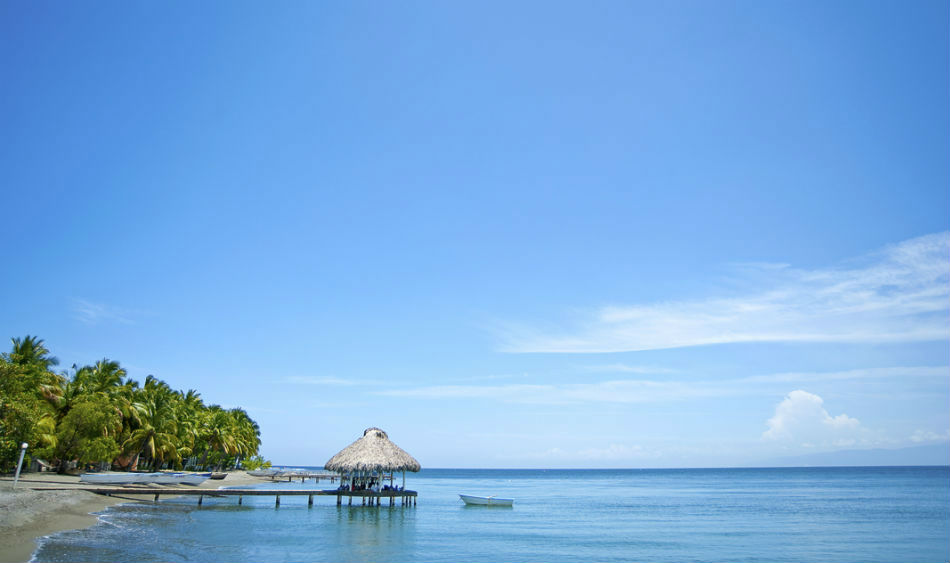
Southern beaches are what most people imagine when they think of the Caribbean.
Characteristics:
- Calm, turquoise water
- Wide sandy beaches
- Ideal for swimming and snorkeling
- Very family-friendly
The south includes famous areas like Punta Cana and Bayahibe.
Attractions and Excursions
What the North Offers
The north is rich in nature and active experiences.
Top attractions include:
- Waterfalls and mountain landscapes
- Surf and kiteboarding hotspots
- Colonial towns and local markets
- Green valleys and rural scenery
The north feels less resort-driven and more exploration-focused.
What the South Offers
The south is home to many of the most famous Dominican excursions.
Top attractions include:
- Caribbean islands like Saona
- Snorkeling and boat tours
- Well-developed national parks
- Easy-access cultural excursions
Southern excursions are typically better organized and easier logistically, especially for first-time visitors.
Tourism Infrastructure and Accessibility
North Coast
- Fewer mega-resorts
- More boutique hotels and guesthouses
- Greater interaction with local life
- Slightly more planning required
This region appeals to travelers who enjoy flexibility and authenticity.
South Coast
- Major international airports
- Large all-inclusive resorts
- Excellent roads and transport
- Strong tourist services
The south is designed for convenience, making it ideal for stress-free vacations.
Which Region Is Better for First-Time Visitors?
For most first-time travelers to the Dominican Republic, the south coast is the safer choice.
Why?
- More stable weather
- Calmer beaches
- Easier logistics
- Wide range of excursions
The north is better suited for:
- Repeat visitors
- Active travelers
- Surfers and adventure seekers
- People wanting a less touristy feel
Prices and Value
- North coast often offers better value for accommodations and local dining
- South coast can be more expensive due to resort dominance
- Excursions in the south are usually pricier but more polished
Budget travelers often lean north, while comfort-focused travelers prefer the south.
Safety and Comfort
Both regions are considered safe for tourists.
Key differences:
- South coast has heavier tourist presence and security
- North coast requires more situational awareness
- Neither region poses unusual risks with common sense travel habits
Can You Visit Both North and South?
Yes—and it’s highly recommended if you have enough time.
Many travelers:
- Fly into the south
- Spend beach time there
- Then head north for nature and adventure
This gives you the most complete picture of the Dominican Republic.
Final Verdict: North or South Dominican Republic?
There’s no universal winner—only the right fit for your travel style.
Choose the south if you want:
- Sun, beaches, and relaxation
- Easy planning
- Calm water and classic Caribbean vibes
Choose the north if you want:
- Nature and greenery
- Active experiences
- A more local, less polished atmosphere
Understanding these differences lets you plan a trip that truly matches your expectations—not just the brochure.