
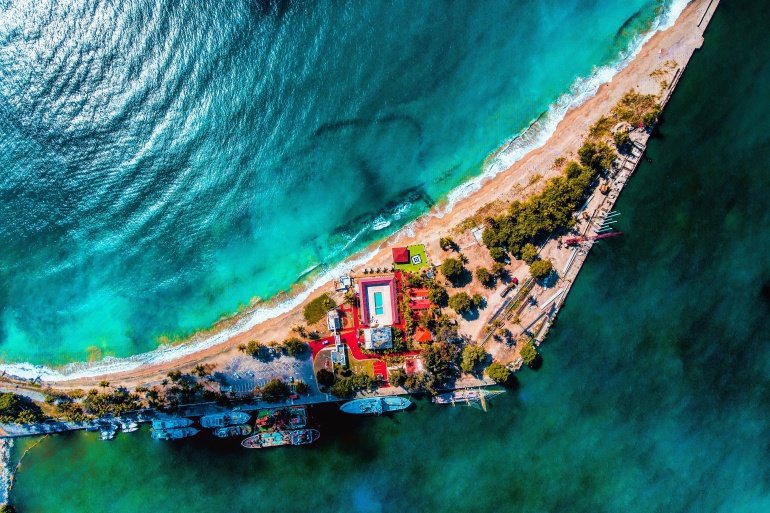
If you want to experience the Dominican Republic beyond all-inclusive resorts and postcard beaches, small towns are where the country truly comes alive. This is where daily life unfolds slowly, neighbors know each other by name, music spills into the streets, and tourism hasn’t replaced local identity.
This article is written in natural US English, optimized for Google SEO (search intent: small towns Dominican Republic, local Dominican towns, authentic Dominican experience), and designed as a high-value blog post for travelers looking for authenticity.

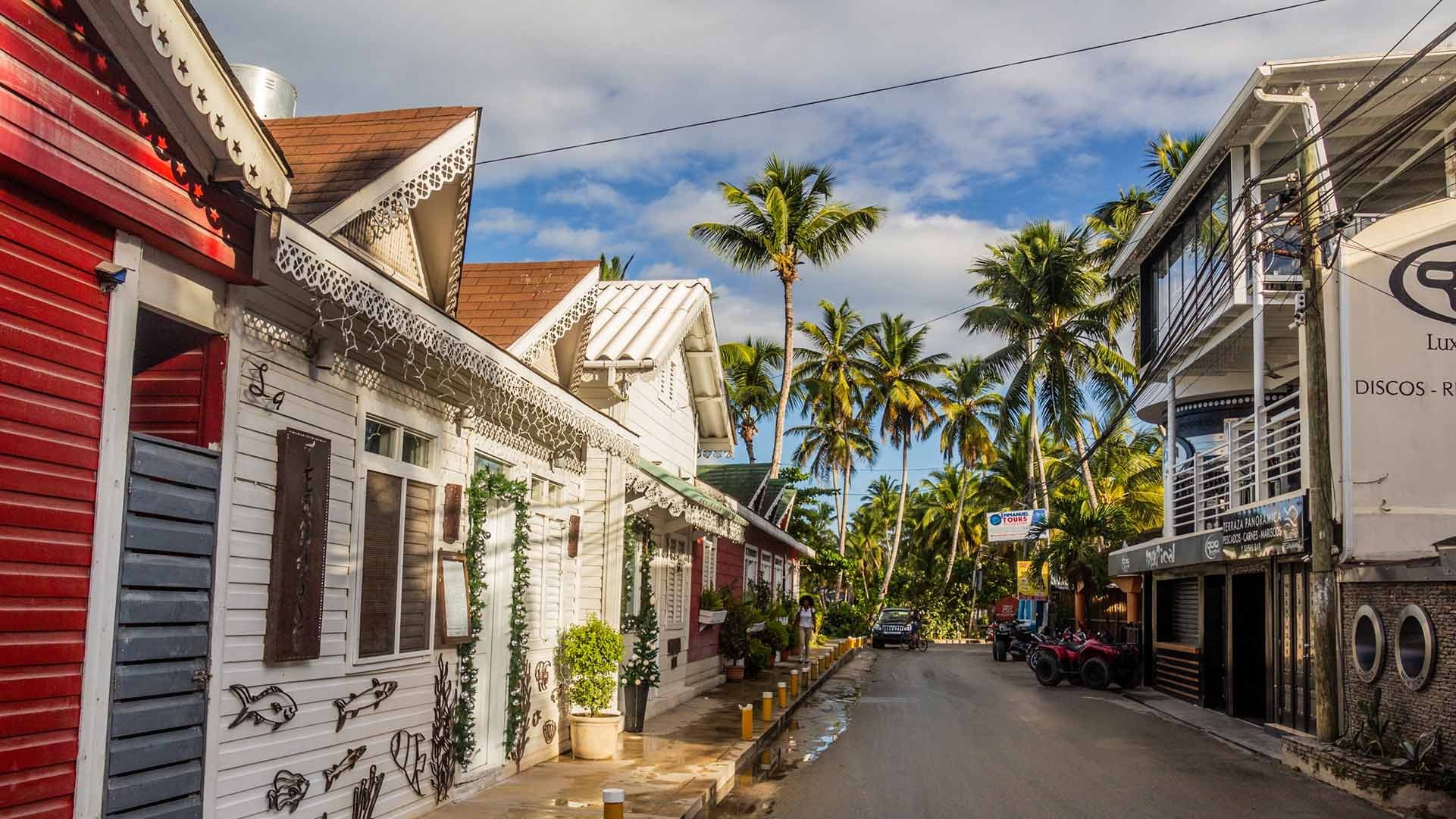

5
Why Small Towns Show the Real Dominican Republic
Large resort areas are built for comfort and efficiency. Small towns are built for real life.
In these places you’ll find:
- Local food instead of hotel buffets
- Neighborhood bars instead of beach clubs
- Kids playing baseball in the street
- Music, conversation, and community
If you want to understand Dominican culture—not just observe it—small towns are essential.
Bayahibe – Small, Coastal, and Still Authentic
Bayahibe is one of the best examples of a town that balances tourism with local life.
Why Bayahibe Feels Local
- Originally a fishing village
- Walkable streets and a small harbor
- Local restaurants mixed with low-key tourism
- Strong community feel
Even though Bayahibe is a major departure point for island excursions, everyday life still revolves around fishing boats, local cafés, and neighborhood rhythms.
Best for:
Travelers who want excursions and authenticity without going fully off-grid.
Las Terrenas – Caribbean Town With a Soul
Located on the Samaná Peninsula, Las Terrenas is one of the most culturally diverse small towns in the country.
What Makes Las Terrenas Special
- Mix of Dominicans, Europeans, and expats
- Strong local culture despite international influence
- Real neighborhoods next to beautiful beaches
- Lively but not resort-dominated
This is a town where you can eat street food for lunch and hear bachata playing from nearby houses—then watch the sunset barefoot on the beach.
Best for:
Independent travelers, digital nomads, longer stays.
Higüey – Everyday Dominican Life, No Filters
Higüey is one of the most important local cities in the eastern Dominican Republic—and one of the least touristic.
Why Higüey Is Purely Local
- Regional religious and cultural center
- Busy markets, street vendors, local transport
- Almost no tourist-focused infrastructure
- Strong Dominican identity
This is not a “pretty” tourist town—it’s a real Dominican city, perfect for travelers who want to understand how people actually live.
Best for:
Cultural curiosity, short visits with a guide, deep local insight.
Sosúa (Beyond the Tourist Strip)
While Sosúa is known for tourism, Sosúa still has neighborhoods where real local life continues just a few streets away from the beach.
Where the Local Sosúa Still Exists
- Residential areas away from the main strip
- Local colmados (corner shops)
- Dominican family restaurants
- Everyday routines beyond tourism
It’s a good example of how two worlds can coexist—tourism on the surface, real life underneath.
Best for:
Travelers who want comfort but are curious enough to explore deeper.
Barahona – Raw, Untouched, and Authentic
If you want the Dominican Republic without polish, Barahona delivers.
What Defines Barahona
- Minimal mass tourism
- Strong local culture
- Dramatic landscapes nearby
- Slower pace of life
This region feels closer to Central America than to resort Caribbean destinations. Life is simple, direct, and deeply local.
Best for:
Adventurous travelers, photographers, nature lovers.
What You’ll Experience in Small Dominican Towns
Across the country, small towns share common traits:
- Food is local and homemade
- Music is part of daily life, not entertainment
- Time is flexible, relationships matter more than schedules
- Tourists are noticed, but usually welcomed
This is where you feel the human side of the Dominican Republic.
Is It Safe to Visit Small Towns?
Yes—with common sense.
Small towns are generally:
- Safer than big cities
- Less chaotic than tourist hubs
- Very community-oriented
Basic rules apply:
- Dress modestly
- Avoid flashy valuables
- Be respectful and observant
Many travelers say small towns feel more comfortable than busy resort zones.
Should You Stay Overnight or Visit for the Day?
That depends on your travel style.
- Day trips work well if you’re based in a resort area
- Overnight stays allow deeper immersion and slower exploration
If authenticity is your goal, even one night in a small town can change your entire perspective on the country.
Small Towns vs Resort Areas – The Real Difference
| Resorts | Small Towns |
|---|---|
| Designed for tourists | Designed for locals |
| Predictable | Unscripted |
| Comfortable | Authentic |
| Isolated | Connected |
Both have value—but only one shows you the Dominican Republic as it really is.
Final Thoughts – Where the Dominican Republic Feels Real
Small towns are where the Dominican Republic stops being a destination and starts being a place.
If you want:
- Real conversations
- Local food
- Cultural depth
- A sense of everyday life
Then small towns are where you should go—even if only for a day.