
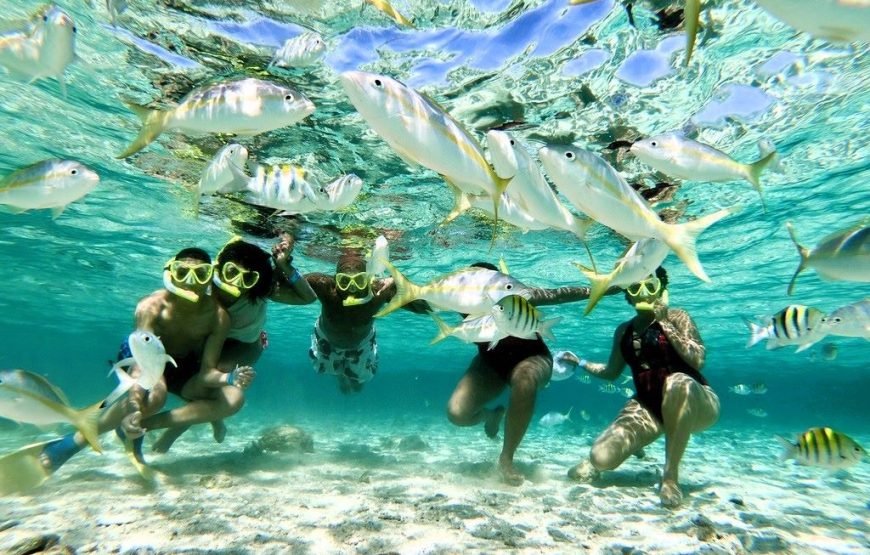
The Dominican Republic is one of the best destinations in the Caribbean for snorkeling and scuba diving, thanks to its warm waters, coral reefs, shipwrecks, and easy access from major tourist regions. Whether you’re a first-time snorkeler or a certified diver looking for walls and wrecks, the island offers very different underwater experiences depending on the region.
This guide is written in natural US English, optimized for Google search (SEO), and designed to answer real traveler questions like:
Where is the best snorkeling in the Dominican Republic? Is scuba diving worth it? Which areas are best for beginners vs advanced divers?
Is Snorkeling and Diving Worth It in the Dominican Republic?
Yes—but where you go matters more than the activity itself.
The Dominican Republic is not a single, uniform dive destination. Some regions are excellent for calm snorkeling, others for reefs and wrecks, and a few for advanced diving. Choosing the right location makes a huge difference in visibility, marine life, and overall experience.
Water Conditions in the Dominican Republic
Before choosing a spot, it helps to understand general conditions:
- Water temperature: 78–84°F (26–29°C) year-round
- Visibility: 50–100 ft (15–30 m), depending on location and season
- Currents: Usually mild; stronger in the Atlantic (north coast)
- Best season: Year-round, with best visibility from December to May
Bayahibe – The Best All-Around Snorkeling and Diving Area
📍 South Coast (near La Romana)
Bayahibe is widely considered the best place for snorkeling and scuba diving in the Dominican Republic.
Why Bayahibe Stands Out
- Calm Caribbean waters
- Healthy coral reefs
- Excellent visibility
- Multiple shipwrecks (including the famous St. George)
- Easy access for beginners and advanced divers
Snorkeling from boats is easy, and diving conditions are stable. Many dive sites are protected within Parque Nacional Cotubanamá, which helps preserve marine life.
Best for:
Snorkeling beginners, certified divers, families, underwater photography.
Catalina Island – Best Snorkeling for Marine Life
📍 Off the Coast of Bayahibe
Catalina Island is one of the top snorkeling destinations in the Caribbean.
What You’ll See
- Colorful tropical fish
- Coral gardens
- Clear, shallow water
- Occasional rays and moray eels
Most snorkeling happens directly from the boat or just offshore, making it very accessible even for first-timers.
Best for:
Snorkeling-focused travelers, families, cruise-style day trips.
Saona Island – Snorkeling as a Bonus, Not the Main Attraction
📍 Southeast Coast
Saona Island is famous for beaches, not underwater life.
Snorkeling is usually included as a secondary activity, often near shallow reefs or sandbars. Conditions vary depending on the operator.
What to Expect
- Light snorkeling
- Limited coral compared to Bayahibe/Catalina
- More emphasis on relaxation and scenery
Best for:
Casual snorkelers, beach lovers, first-time Caribbean visitors.
Punta Cana – Good for Beginners, Limited Reefs
📍 East Coast
Snorkeling and diving in Punta Cana are easy to organize but not the strongest on the island.
Reality Check
- Sandy bottom dominates
- Fewer coral reefs
- Visibility depends heavily on weather
- Best spots are accessed by boat
Diving here is more about convenience than biodiversity.
Best for:
First-time snorkelers, resort-based travelers, short excursions.
Samaná – Snorkeling with Nature, Not Crowds
📍 Northeast Coast
Samaná offers less commercial but more natural snorkeling and diving.
Highlights
- Less boat traffic
- Natural reefs and rocky formations
- Seasonal marine life (including whales, above water)
Conditions can be rougher, and snorkeling is often weather-dependent.
Best for:
Nature lovers, experienced swimmers, travelers seeking authenticity.
Puerto Plata & North Coast – Advanced Diving and Wrecks
📍 Atlantic Coast
The north coast offers some of the most challenging and rewarding dives in the country.
What Makes It Different
- Stronger currents
- Deeper walls
- Shipwrecks
- Less beginner-friendly
This region is better suited for certified and experienced divers.
Best for:
Advanced divers, wreck diving, long-stay travelers.
Scuba Diving in the Dominican Republic – What to Know
Certification & Experience
- Discover Scuba Diving available for beginners
- PADI and SSI centers widely available
- Advanced dives depend heavily on location
Dive Types
- Reef dives
- Wreck dives
- Drift dives (north coast)
Is the Dominican Republic Good for Beginner Divers?
Yes—especially in Bayahibe and Punta Cana.
Calm waters, shallow sites, and professional dive centers make the country a solid choice for first-time divers.
Snorkeling vs Scuba Diving – Which Should You Choose?
| Activity | Best If You Want |
|---|---|
| Snorkeling | Easy access, shallow reefs, relaxed pace |
| Scuba diving | Shipwrecks, deeper reefs, more marine life |
Many travelers combine both during their stay.
What to Bring for Snorkeling and Diving
- Reef-safe sunscreen
- Rash guard or UV shirt
- Waterproof camera or GoPro
- Motion sickness pills (boat trips)
Most tours provide masks, fins, and tanks.
Safety and Environmental Responsibility
- Avoid touching coral
- Do not feed fish
- Use reef-safe sunscreen
- Choose licensed operators
Protected areas exist for a reason—responsible snorkeling helps preserve them.
Final Thoughts – Where Is the Best Snorkeling and Diving in the Dominican Republic?
If you want the best overall underwater experience, choose Bayahibe and Catalina Island.
If you prioritize beaches and relaxation, Saona works well.
For advanced diving, the north coast delivers challenge and depth.
The Dominican Republic may not be the Caribbean’s most famous dive destination—but with the right location, it absolutely delivers.