
Cultural Rules, Etiquette, and What Tourists Should Know
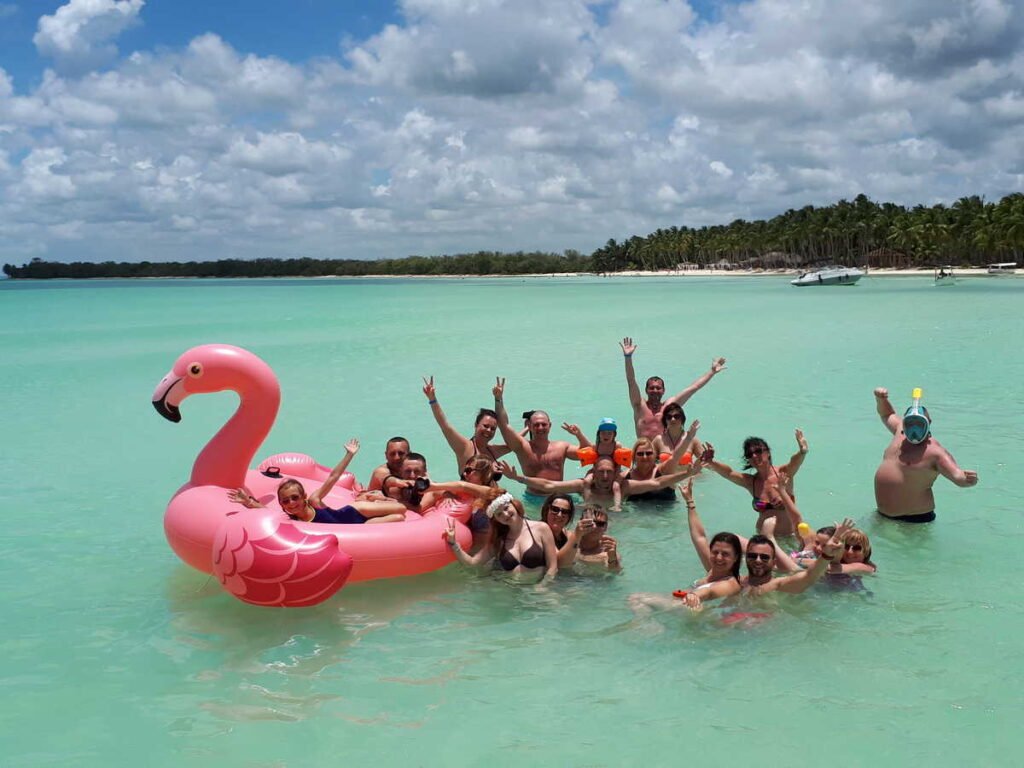
Photography is one of the best ways to capture memories from the Dominican Republic — colorful streets, expressive faces, local life, and everyday moments that feel authentic and alive.
But photographing people is not the same as photographing beaches or landscapes.
This guide explains how to photograph people in the Dominican Republic respectfully, what is culturally acceptable, what tourists often get wrong, and how to avoid uncomfortable situations — all written in clear, US-English, optimized for search engines and real travelers.
4
Is It Allowed to Photograph People in the Dominican Republic?
Short answer: Yes — but context and respect matter.
The Dominican Republic is generally photography-friendly, and many locals are open, expressive, and used to tourists with cameras. However, there is a clear cultural expectation:
👉 People are not tourist attractions.
Photography is welcomed when it feels human and respectful, and disliked when it feels intrusive, arrogant, or exploitative.
The Most Important Rule: Always Ask When Possible
❌ Common Tourist Mistake
Taking close-up photos of people without asking, especially:
- street vendors
- elderly people
- children
- people in rural areas
✅ Cultural Reality
Dominicans value personal dignity. Being photographed without consent can feel disrespectful, even if intentions are good.
✔ Best Practice
- Smile
- Make eye contact
- Use a simple gesture or phrase
- Wait for a nod or verbal approval
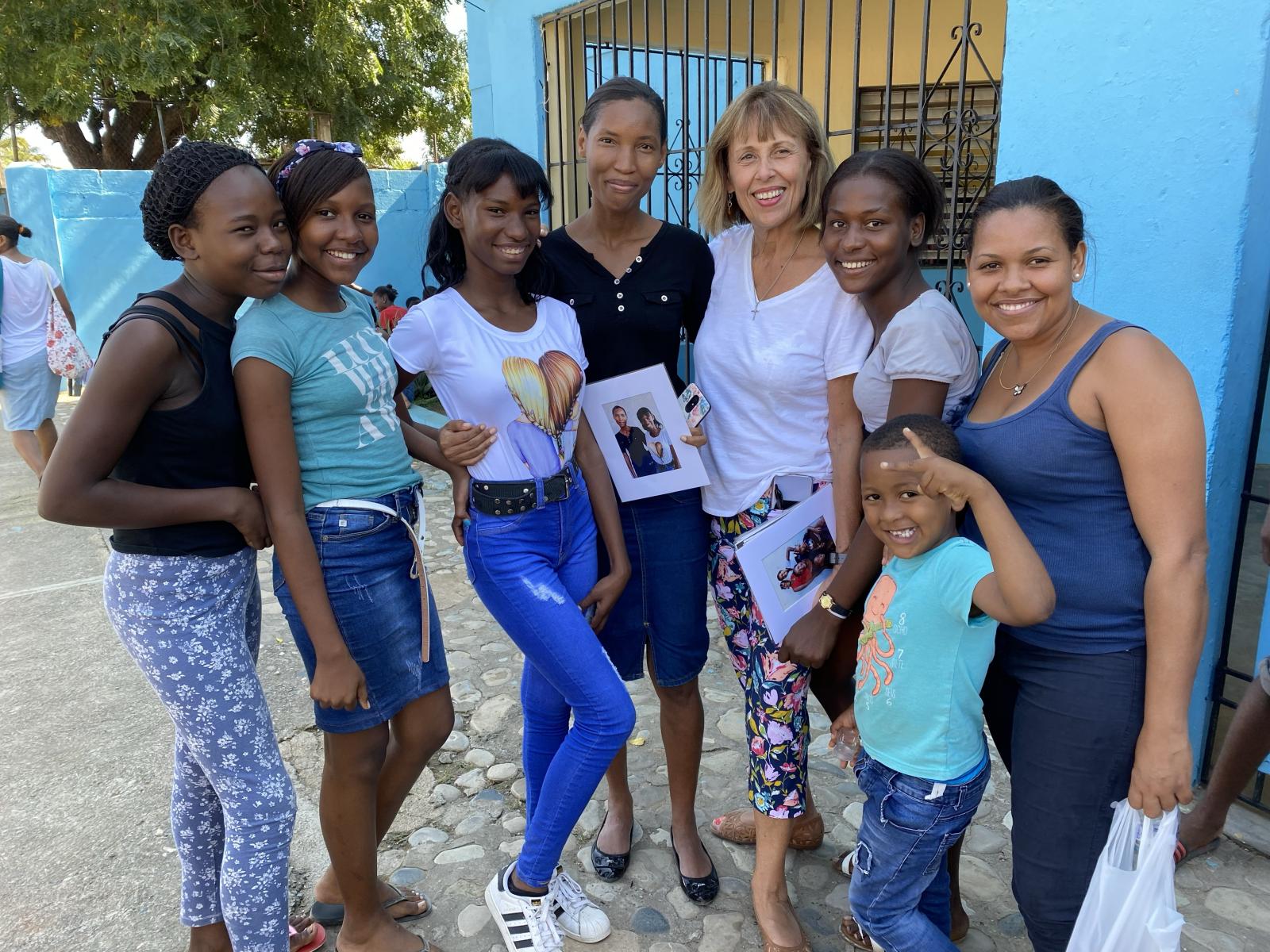
A quick request often turns into a friendly interaction — sometimes even a posed photo.
Can You Photograph Children?
🚫 This Is Sensitive
Photographing children without permission is strongly discouraged.
Even if parents seem nearby, always:
- ask the parent or guardian
- explain why you want the photo
In some communities, photographing children without consent is seen as highly inappropriate.
Street Photography: What’s Acceptable and What’s Not
Acceptable:
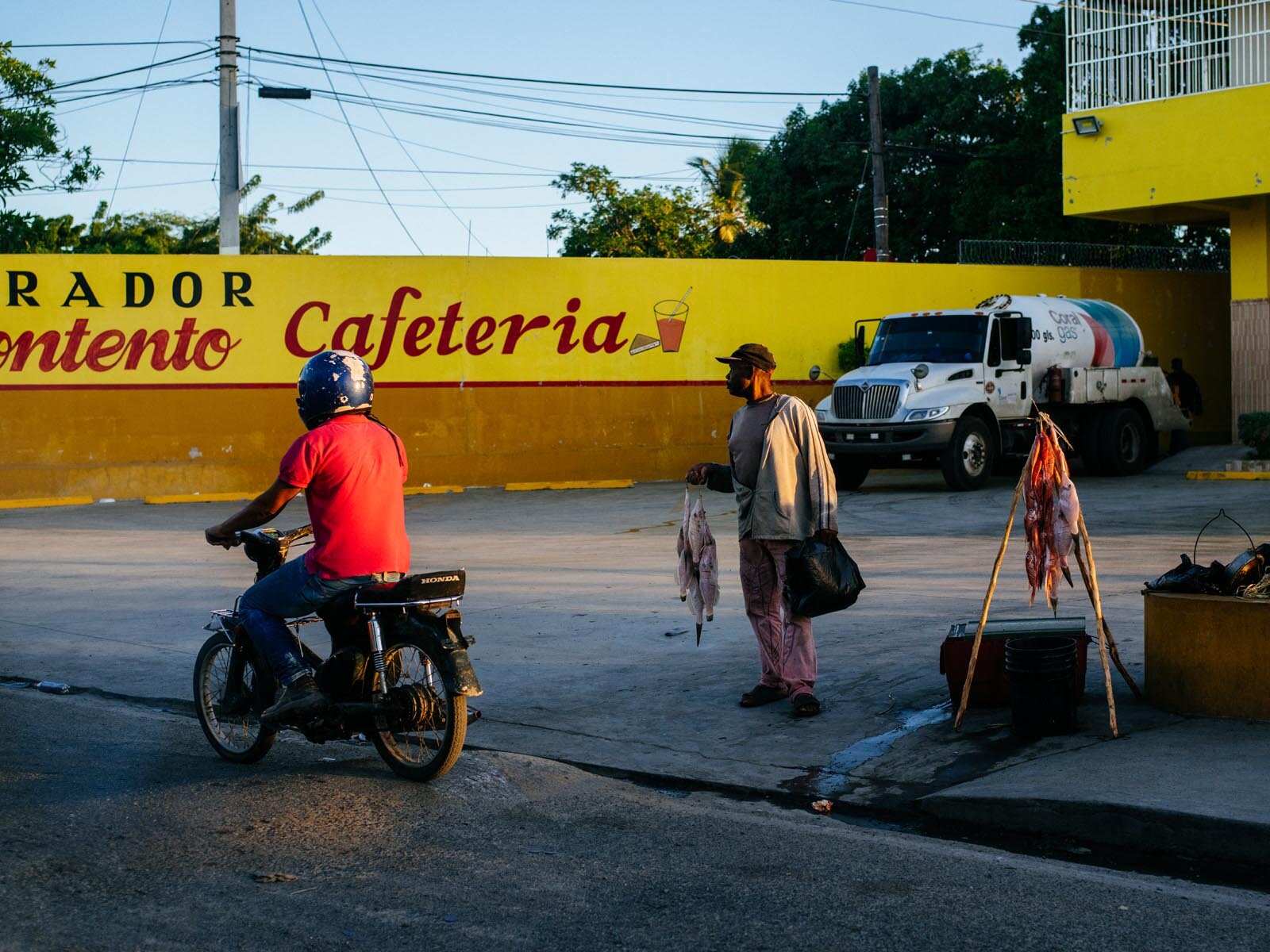
- wide street scenes
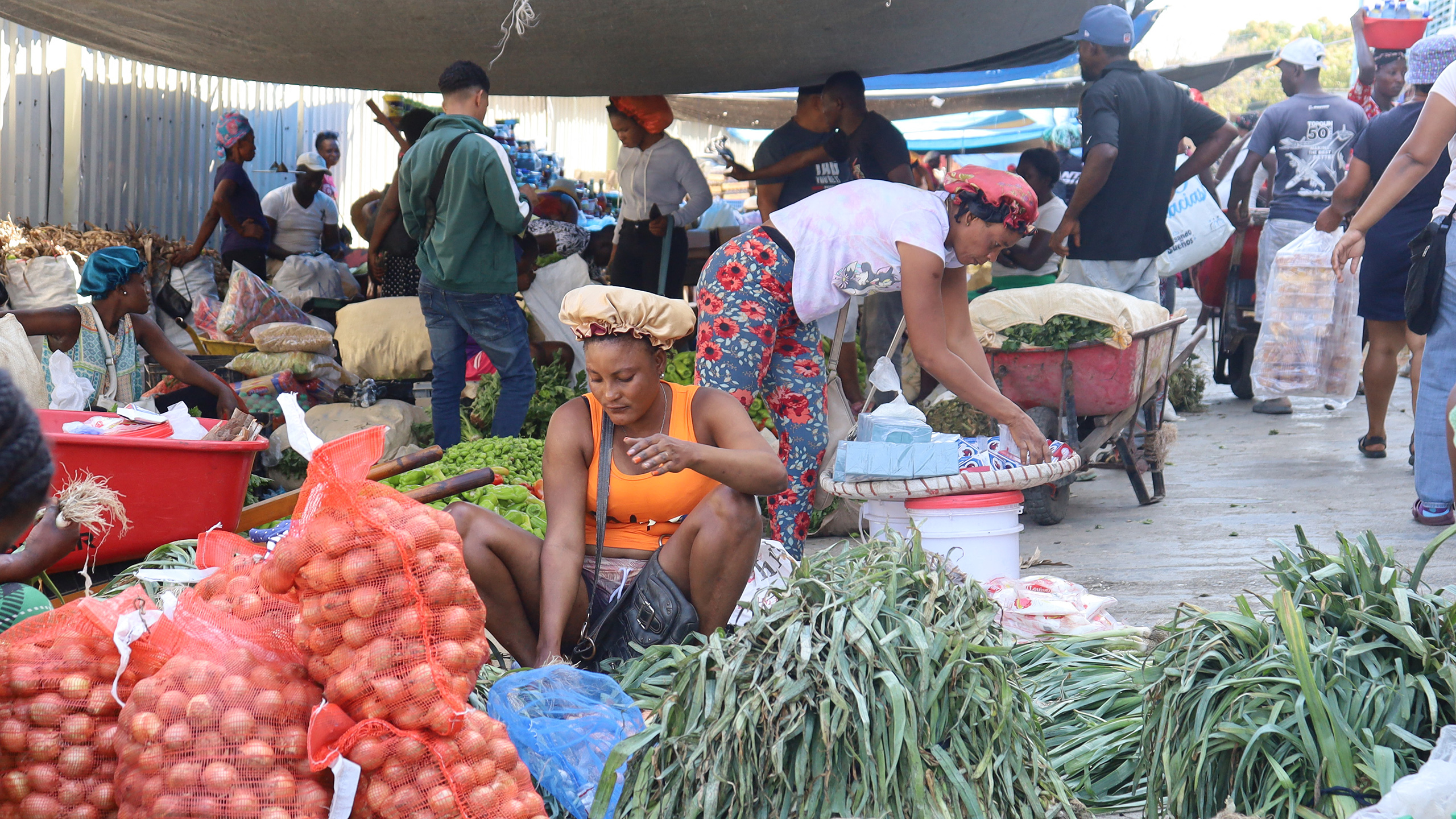
- markets from a distance
- public life without focusing on one individual
- events where photography is expected
Risky:
- zooming in on faces
- photographing poverty or hardship
- turning people into “exotic subjects”
If the person is clearly identifiable → ask first.
Do People Expect Money for Photos?
Sometimes — and that’s normal.
In tourist-heavy areas:
- some people may pose for photos expecting a tip
- street performers or vendors may request payment
This is not a scam — it’s a transaction.
Best approach:
- clarify before taking the photo
- if someone asks for money afterward, keep it calm and respectful
- a small tip is usually enough
Religious and Cultural Sensitivity
Churches & Religious Events
- photography may be restricted inside churches
- always check for signs or ask
- avoid flash during services
Traditional or Emotional Moments
- funerals
- prayer
- family gatherings
These should not be photographed unless you are explicitly invited.
Photography in Small Villages and Rural Areas
In non-touristy areas:
- cameras attract attention quickly
- people may feel observed or judged
What works best:
- engage first, photograph later
- conversation before camera
- show the photo afterward
This builds trust and often leads to better, more natural images.
Social Media and Respect
Just because you can take a photo doesn’t mean you should post it.
Think twice before posting:
- children
- vulnerable people
- people in private moments
If the photo could feel uncomfortable if it were you, don’t upload it.
Drones and Filming People
Drone use is regulated and not culturally neutral.
- flying drones over people without consent is frowned upon
- drones near villages, beaches, or private homes can cause tension
Always check:
- local regulations
- hotel policies
- privacy expectations
How Locals Generally Feel About Being Photographed
Most Dominicans:
- are friendly and expressive
- enjoy interaction
- respond well to respect
Tourists who:
- smile
- ask
- take time
are usually welcomed.
Tourists who:
- rush
- hide behind zoom lenses
- act entitled
often create discomfort.
Quick Cultural Do’s and Don’ts
✅ Do:
- ask politely
- smile and interact
- respect refusals
- tip when appropriate
- show the photo afterward
❌ Don’t:
- photograph children without permission
- mock or exoticize people
- focus on poverty
- argue if someone says no
- assume consent
FAQ – Photographing People in the Dominican Republic
Is it legal to photograph people?
Yes, but legality doesn’t replace cultural respect.
Can locals say no?
Absolutely — and you should respect it without discussion.
Are Dominicans friendly toward photographers?
Generally yes, especially when approached politely.
Is tipping required for photos?
Not always, but sometimes expected in tourist areas.
Final Takeaway: Respect Creates Better Photos
The best photos in the Dominican Republic are not stolen — they’re shared.
When you:
- slow down
- engage
- respect boundaries
you don’t just get better images — you get real moments, real stories, and real connections.
Photography here is not about capturing people —
it’s about meeting them first.