
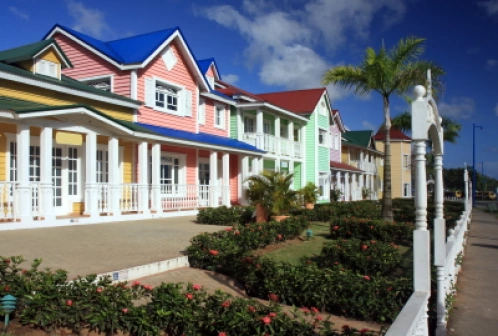
For most travelers, the Dominican Republic is associated with white-sand beaches, palm trees, all-inclusive resorts, and effortless relaxation. Vacations here feel easy, predictable, and designed entirely around comfort. But living in the Dominican Republic tells a very different story—one that rarely appears in brochures or social media highlights.
This article is written for the U.S. audience, optimized for SEO, and based on a long-term, on-the-ground perspective. It explains what changes when you stop being a tourist and start experiencing the Dominican Republic as a resident.
Vacation vs Reality – Two Completely Different Experiences
As a tourist, your world is curated. As a resident, you see the country as it truly functions.
On vacation:
- Everything runs on your schedule
- Problems are handled by hotel staff
- Prices are fixed and predictable
- Comfort is the top priority
As a resident:
- You adapt to the country’s rhythm
- You solve problems yourself
- Prices depend on context and relationships
- Flexibility matters more than comfort
The Dominican Republic doesn’t change—the perspective does.
Time Works Differently When You Live Here
Tourists often joke about “island time.” Residents live it daily.
Appointments rarely start exactly on time. Deliveries arrive “later.” Bureaucratic tasks take patience. What feels charming for a week can feel challenging over months.
However, residents eventually realize something important:
time is people-centered, not schedule-centered.
Relationships matter more than efficiency. Conversations matter more than deadlines. Once you stop fighting this, daily life becomes less stressful.
The Resort Bubble vs the Real Country
Most tourists never leave the resort ecosystem. Life outside it is very different.
Resorts offer:
- Constant electricity and water
- Clean streets and controlled environments
- International food and standards
Daily life offers:
- Occasional power or water interruptions
- Infrastructure that varies by neighborhood
- Strong reliance on local systems
Living here means accepting inconsistency—and learning to plan around it.
Cost of Living vs Vacation Prices
Many visitors assume life in the Dominican Republic is “cheap.” It can be—but not automatically.
Tourists see:
- Fixed tour prices
- Resort packages
- Tourist-level pricing
Residents deal with:
- Rising food and fuel costs
- Imported goods priced close to U.S. levels
- Cheaper local services—but variable quality
Local markets, neighborhood eateries, and community connections make a huge difference in monthly expenses.
Social Life and Human Connection
One of the biggest surprises for long-term residents is how social daily life is.
Dominican culture is deeply relationship-based:
- Neighbors talk to each other
- Family ties are strong
- Social life happens outdoors
As a tourist, interactions are polite but transactional.
As a resident, you become part of a social fabric—if you’re open to it.
Language Changes Everything
You can vacation without Spanish. You cannot truly live here without it.
Tourists rely on:
- English-speaking staff
- Organized tours
- Translation apps
Residents must:
- Handle doctors, mechanics, schools, and offices in Spanish
- Understand local expressions and humor
- Navigate misunderstandings patiently
Once Spanish improves, daily life becomes dramatically easier—and richer.
Safety: Perception vs Daily Reality
Tourists often ask if the Dominican Republic is safe. Residents ask a different question: “Safe for what, and where?”
Reality is nuanced:
- Tourist areas are generally very safe
- Residential neighborhoods vary widely
- Awareness matters more than fear
Residents learn patterns: where to go, when, and how. Life becomes normal—not risky—once you understand local rules.
Work, Income, and Reality Checks
Vacation life has no responsibilities. Real life does.
Living here means:
- Dealing with local bureaucracy
- Understanding labor culture
- Accepting slower administrative processes
Remote workers and entrepreneurs adapt best, while those expecting European or U.S. efficiency often struggle.
Nature Is Still Real—But It’s No Longer a Show
Tourists experience nature as a highlight. Residents experience it as background.
Beaches aren’t “special events” anymore—they’re part of routine life. Sunsets still matter, but they’re not scheduled. This shift can feel either magical or underwhelming, depending on expectations.
Emotional Difference: Consumption vs Belonging
Vacations are about consumption:
- Experiences
- Views
- Activities
Living here is about participation:
- Relationships
- Daily challenges
- Cultural adaptation
Some people fall in love with this reality. Others miss structure, predictability, and speed.
Who Adjusts Well to Life in the Dominican Republic?
People who thrive long-term usually:
- Are patient and adaptable
- Value people over systems
- Don’t need constant control
- Accept cultural differences
Those who struggle often expect the country to adapt to them—rather than adapting themselves.
Final Takeaway – Two Worlds, One Country
The Dominican Republic offers two completely different experiences:
- As a tourist: effortless, polished, relaxing
- As a resident: real, complex, human
Neither is better—they simply serve different purposes. Understanding this difference prevents disappointment and creates realistic expectations.
Vacation here if you want escape.
Live here only if you’re ready for reality—beautiful, imperfect, and deeply human.