
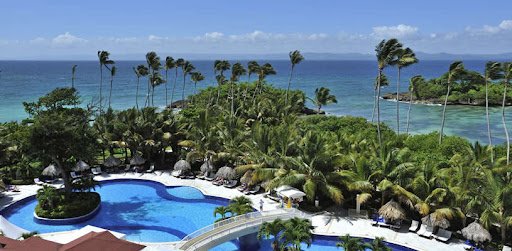
The Dominican Republic is often marketed as a tropical paradise of beaches and resorts, but behind the postcards lies a more complex reality. As tourism continues to grow, many travelers from the USA and Canada ask an important question:
Does the Dominican Republic really protect its nature — or is conservation just a slogan used in tourism marketing?
This pillar-style article explains the real relationship between tourism and nature protection, written in clear American English, optimized for SEO and Google search intent.


5
Why Nature Protection Matters So Much in the Dominican Republic
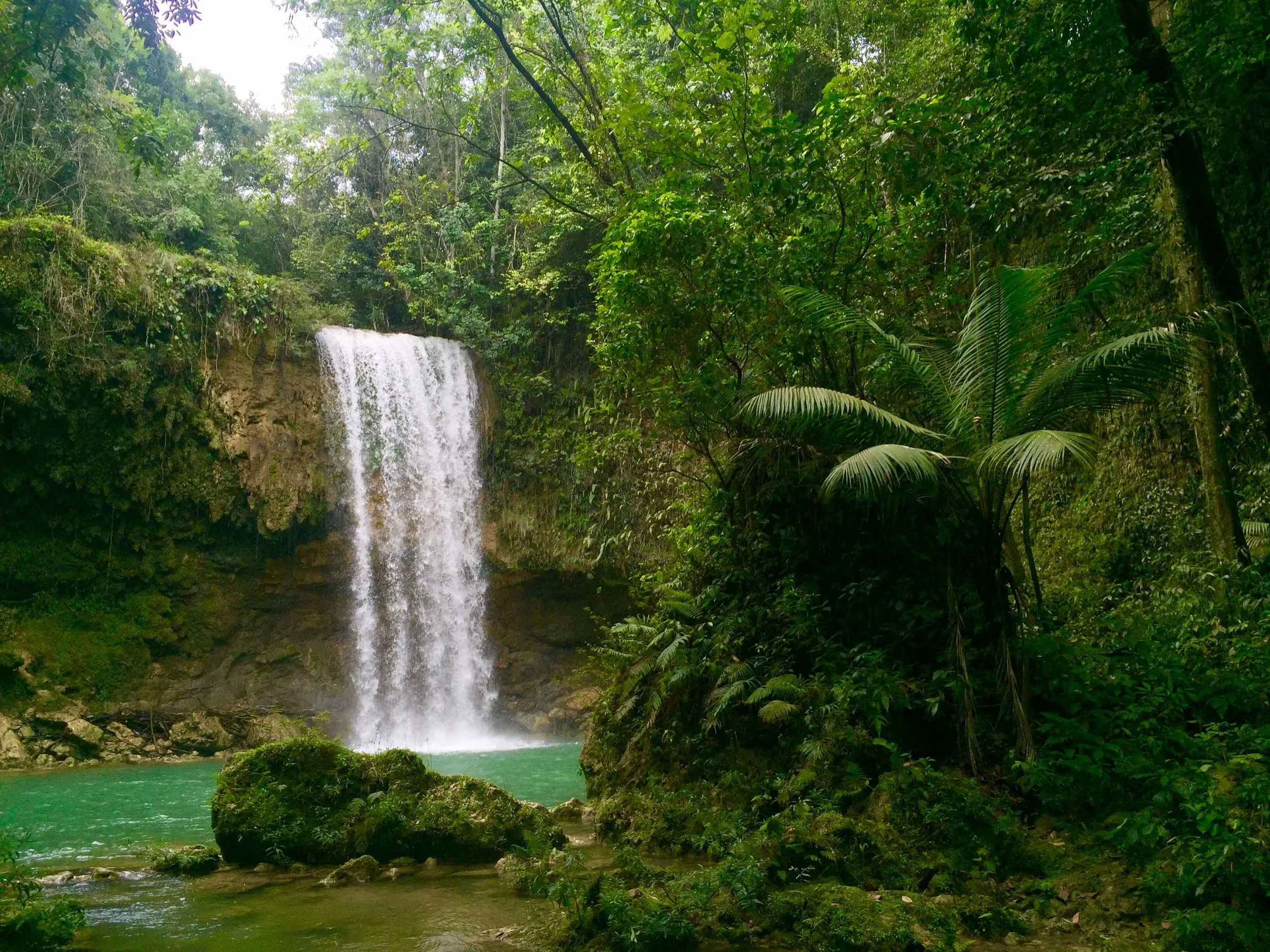
The Dominican Republic is one of the most ecologically diverse countries in the Caribbean. Within a relatively small territory, you’ll find:
- tropical rainforests
- mangroves and wetlands
- coral reefs
- mountain ecosystems
- dry forests and coastal plains
Tourism depends heavily on these natural assets. Without protection, the very landscapes attracting visitors would disappear.
Protected Areas — What Exists on Paper vs Reality
Roughly 25% of the Dominican Republic is officially designated as protected land. This includes:
- national parks
- marine reserves
- wildlife sanctuaries
- ecological corridors
On paper, this is impressive. In practice, enforcement and management vary widely by region.
Some protected areas are well-managed and regulated. Others struggle with:
- limited funding
- weak enforcement
- pressure from development
Examples Where Conservation Actually Works
Los Haitises National Park
Often cited as the strongest example of real conservation.
Why it stands out:
- restricted development
- controlled boat access
- protected mangrove ecosystems
- archaeological and ecological value
Tourism here is regulated, not exploitative.
Samaná Peninsula
A region where nature protection and tourism are still relatively balanced.
Key factors:
- lower density of mega-resorts
- seasonal whale-watching regulations
- growing number of eco-focused operators
Samaná shows that tourism can exist without destroying the landscape.
Where Tourism Puts Pressure on Nature
Despite positive examples, mass tourism has created real challenges.
Coastal Development
In some regions:
- mangroves have been removed
- beaches reshaped
- coral reefs damaged
Large-scale resorts consume massive resources, especially water and energy, often exceeding local capacity.
Marine Ecosystems
Unregulated snorkeling, anchoring, and boat traffic have:
- damaged coral reefs
- reduced fish populations
- disrupted breeding zones
This is why marine protection enforcement is becoming increasingly important.
Greenwashing in Dominican Tourism — A Real Issue
Many hotels and tours market themselves as:
- “eco-friendly”
- “sustainable”
- “nature-based”
But true sustainability is not about:
- towel reuse signs
- recycled décor
- vague environmental claims
Real conservation requires:
- limits on visitor numbers
- respect for protected zones
- local community involvement
Travelers need to look beyond labels.
The Role of Tour Operators and Guides
Nature protection depends heavily on how tours are run.
Responsible operators:
- follow park regulations
- educate guests
- avoid wildlife disturbance
- keep group sizes reasonable
Irresponsible tourism often includes:
- off-road driving in protected areas
- loud music in natural zones
- animal exploitation
Choosing the right operator directly impacts conservation outcomes.
Can Tourism Help Protect Nature?
Yes — when done correctly.
Tourism revenue:
- funds park maintenance
- supports conservation jobs
- provides alternatives to deforestation and overfishing
In many rural areas, tourism is the reason nature is still standing.
But this only works when:
- profits stay local
- rules are enforced
- travelers act responsibly
What Tourists Can Do to Reduce Their Impact
If you’re visiting the Dominican Republic, you can:
- choose licensed tour operators
- avoid attractions involving captive animals
- respect park rules
- reduce plastic use
- support community-based tourism
Small choices multiplied by millions of visitors matter more than you think.
Is the Dominican Republic Doing Enough?
The honest answer: progress, but inconsistently.
Strengths:
- large protected area network
- growing environmental awareness
- improving regulations (especially marine life)
Challenges:
- enforcement gaps
- development pressure
- uneven regional standards
Nature protection exists — but it requires constant effort.
FAQ — Nature Protection and Tourism in the Dominican Republic
Is nature protected in the Dominican Republic?
Yes, but enforcement and quality vary by region.
Are national parks safe to visit?
Yes, when accessed through licensed operators.
Does tourism harm nature?
It can — unless properly managed.
Can tourists support conservation?
Absolutely, through informed choices.
Final Takeaway — Tourism vs Nature in the Dominican Republic
The Dominican Republic is not a perfect conservation model, but it is far from careless. It sits at a crossroads between:
- economic dependence on tourism
- responsibility to protect natural heritage
The future of its landscapes depends on how tourism evolves — and how travelers choose to experience the country.
If you travel consciously, the Dominican Republic offers not only beauty, but also a chance to support nature rather than exploit it.