
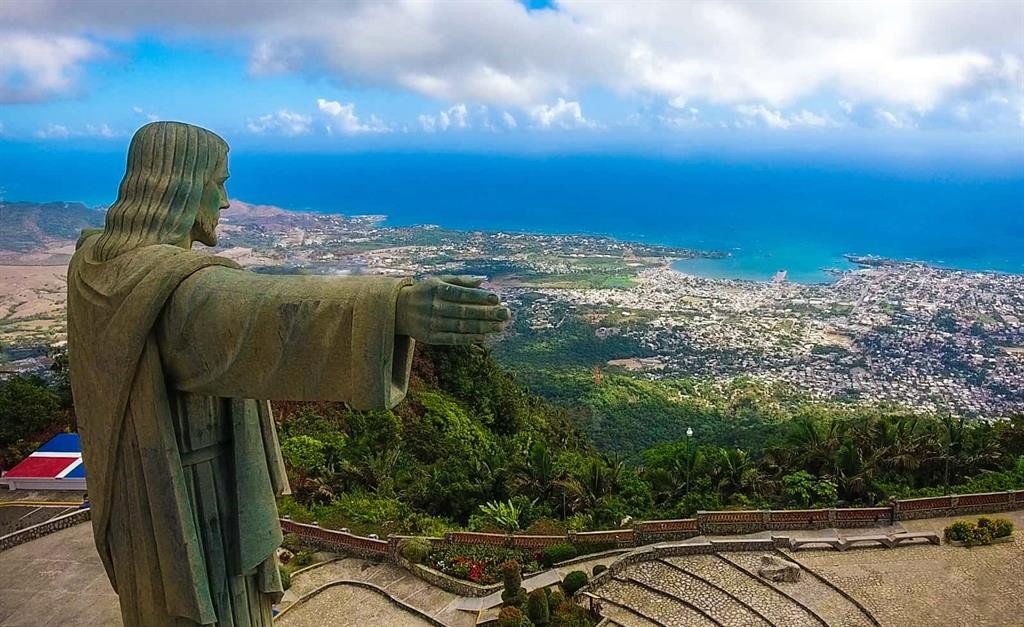
Understanding religion and culture in the Dominican Republic is key to having a respectful, smooth, and more meaningful travel experience. While the country is very welcoming to visitors, cultural differences can surprise first-time tourists — especially those coming from the United States or Europe.
This guide explains religious traditions, social norms, daily behavior, and cultural expectations, helping tourists avoid misunderstandings and connect better with local life.
Religion in the Dominican Republic – The Cultural Foundation
Religion plays a significant role in Dominican society, even though daily life may appear relaxed and informal.
Key facts:
- Predominantly Christian
- Roman Catholicism is historically dominant
- Protestant and evangelical communities are growing
- Religious values influence family life, holidays, and social norms
Religion is less rigid than in some countries, but it remains deeply embedded in cultural identity.
How Religion Affects Daily Life
Even if religion isn’t openly discussed, its influence is visible in:
- National holidays
- Family structure
- Attitudes toward marriage and relationships
- Respect for elders
- Community gatherings
Church attendance is common, especially on Sundays and religious holidays.
Visiting Churches and Religious Sites as a Tourist
Tourists are welcome in churches, but respectful behavior is expected.
What to do:
- Dress modestly (covered shoulders, no short shorts)
- Speak quietly
- Avoid taking photos during services
- Remove hats inside churches
Churches are active places of worship, not tourist attractions only.
Cultural Values Dominicans Take Seriously
Dominican culture is relationship-driven rather than rule-driven.
Core cultural values:
- Respect (especially toward elders)
- Family loyalty
- Personal dignity
- Warm social interaction
- Hospitality
Tourists who show courtesy and openness are usually treated very well.
Greetings and Social Interaction
How you greet people matters more than many tourists expect.
Common practices:
- Saying hello before asking questions
- Handshakes or light cheek kisses (social settings)
- Friendly tone and eye contact
- Smiling goes a long way
Being overly direct or impatient may be perceived as rude.
Dress Code – What Is Appropriate?
Dominicans generally dress more conservatively than tourists assume.
Acceptable:
- Casual summer clothing
- Clean and neat outfits
- Beachwear at beaches and resorts
Not appropriate:
- Beachwear in cities, shops, or churches
- Very revealing clothing outside resorts
- Walking shirtless away from the beach
Looking well-presented is a sign of respect.
Gender Roles and Cultural Expectations
Gender roles exist but are changing, especially in urban areas.
Tourists should know:
- Compliments are common but usually not aggressive
- Politeness is valued over confrontation
- Women travelers are common and generally safe
- Respectful boundaries are expected
Ignoring or overreacting to cultural differences can escalate situations unnecessarily.
Religion, Morality, and Public Behavior
Dominican society is more conservative than it may appear.
Public expectations:
- Public affection should be modest
- Loud arguments are frowned upon
- Public drunkenness is not respected
- Religious symbols are treated seriously
Tourists are not expected to follow local beliefs — only to respect them.
Cultural Attitude Toward Time and Punctuality
Time in the Dominican Republic is flexible.
What tourists should understand:
- Appointments may start late
- Processes take longer
- Rushing is considered rude
- Patience is a cultural skill
This is not inefficiency — it’s a different rhythm of life.
Language, Tone, and Communication Style
Spanish is the official language, but tone matters more than vocabulary.
Key points:
- Friendly tone matters more than perfect grammar
- Loud or demanding speech can be misinterpreted
- Humor is common in conversations
- Body language is expressive
Tourists who remain calm and friendly usually get better service.
Cultural Mistakes Tourists Commonly Make
Avoid these common errors:
- Treating locals as resort staff everywhere
- Speaking aggressively or impatiently
- Dressing inappropriately in towns
- Disrespecting religious customs
- Assuming all Dominicans think alike
Cultural sensitivity creates better experiences.
Religion and National Holidays
Many Dominican holidays are religious or religiously influenced.
During holidays:
- Businesses may close
- Transport may be slower
- Celebrations may include church services
- Family gatherings are prioritized
Planning excursions around holidays requires flexibility.
FAQ – Religion and Culture in the Dominican Republic
Is the Dominican Republic very religious?
Yes, religion plays an important cultural role.
Do tourists need to follow religious rules?
No, but respectful behavior is expected.
Can tourists visit churches?
Yes, as long as they dress and behave appropriately.
Is Dominican culture conservative?
More conservative than many tourists expect, especially outside resorts.
Will tourists be judged for different beliefs?
No — Dominicans are generally tolerant and welcoming.
Final Thoughts – Respect Creates Better Travel Experiences
The Dominican Republic is open, warm, and welcoming — but it values respect, manners, and cultural awareness. Understanding religion and cultural norms helps tourists avoid friction and experience the country beyond surface-level tourism.
You don’t need to change who you are — just travel with awareness, patience, and respect. That approach opens doors everywhere in the Dominican Republic.