
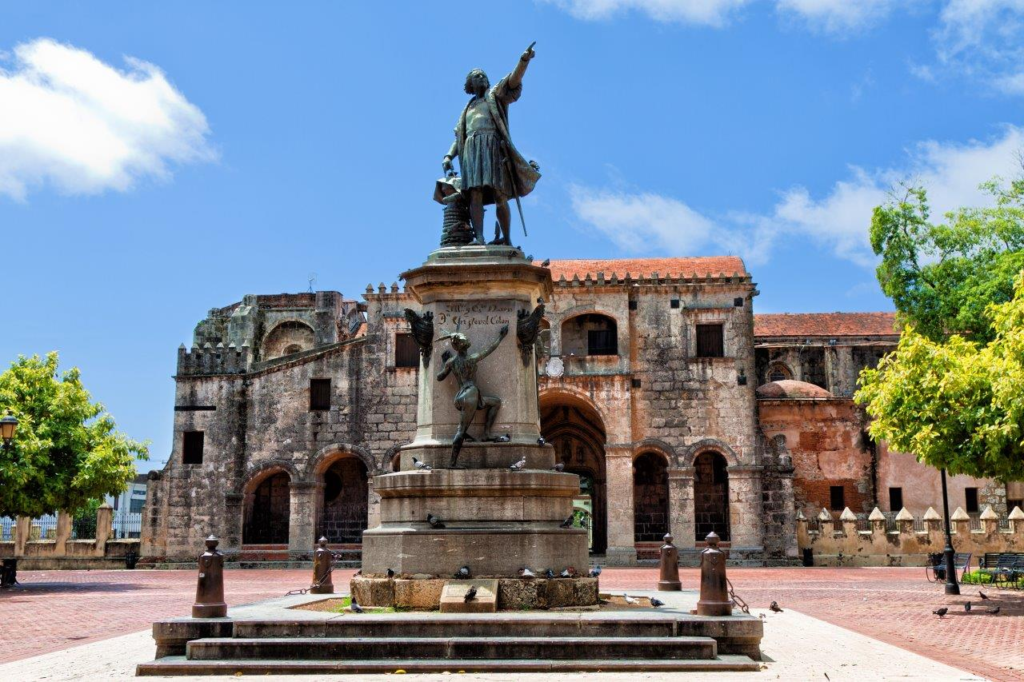
Santo Domingo is a truly unique place — not only in the Dominican Republic, but in the entire Caribbean. It is the oldest European-founded capital in the New World, the city where the history of the Americas began.
For many travelers, Santo Domingo is a surprise. Instead of palm trees and beach bars, they discover a city filled with colonial architecture, historic landmarks, and stories dating back to the late 15th century.
Visiting Santo Domingo offers a completely different dimension of travel in the Dominican Republic. This is not about beaches — it’s about culture, heritage, and authentic urban life.
Why Santo Domingo Is So Historically Important
Founded in 1498, Santo Domingo became the administrative center of Spanish colonies in the New World. It was here that the first European institutions, churches, and government buildings in the Americas were established.
From Santo Domingo, Spanish exploration and colonization expanded throughout the Caribbean and South America. Walking through the city today is essentially a journey back to the very beginnings of modern world history.
Few cities in the Americas carry such deep historical significance.
Zona Colonial – The Historic Heart of Santo Domingo
The most important and famous part of the city is the Zona Colonial, a UNESCO World Heritage Site. This district contains the highest concentration of colonial-era landmarks and best preserves the atmosphere of early Santo Domingo.
Cobblestone streets, stone buildings, old plazas, and inner courtyards create an ambiance completely different from the city’s modern neighborhoods. In Zona Colonial, history feels tangible — every walk reveals another layer of the past.
Must-See Historical Landmarks in Santo Domingo
Any visit to the capital should include its most important historical sites. One of the highlights is the first cathedral in the Americas, a monumental structure that remains an active place of worship and a symbol of the city.
Former governor’s palaces, fortresses, monasteries, and administrative buildings reveal how the colonial elite lived and ruled. You can also walk along the oldest street in the New World, once home to explorers, officials, and early settlers.
This is where Dominican history intertwines with the broader history of the Caribbean and the Americas.
Santo Domingo as a Contrast to Resort Areas
For travelers staying in Punta Cana, Bávaro, or Bayahibe, Santo Domingo feels like a completely different world. Instead of quiet resorts, you encounter a vibrant city filled with traffic, cafés, restaurants, and everyday Dominican life.
This contrast is actually one of Santo Domingo’s greatest strengths. Visiting the capital shows that the Dominican Republic is more than a beach destination — it’s a country with deep cultural roots and a strong historical identity.
For many visitors, a day in Santo Domingo becomes one of the most meaningful experiences of their entire trip.
What a Typical Excursion to Santo Domingo Looks Like
Most organized trips to Santo Domingo are full-day excursions. Programs usually include:
- guided walking tours of Zona Colonial,
- visits to key historical landmarks and museums,
- free time for lunch or independent exploration in the historic center.
A well-organized excursion allows travelers to see the highlights without stress, traffic confusion, or navigation challenges. For visitors unfamiliar with large cities, this is the most comfortable way to explore the Dominican capital.
Why Exploring Santo Domingo With a Guide Adds Value
Santo Domingo’s history is complex and layered. Exploring the city with a knowledgeable guide — especially in your native language — makes a significant difference.
A guide provides:
- historical context,
- cultural explanations,
- stories behind the landmarks,
- a clear narrative of how the city shaped the Dominican Republic.
Instead of simply seeing old buildings, visitors gain real understanding. The city becomes a story, not just a backdrop for photos.
Best Time of Day to Visit Santo Domingo
Due to the tropical climate, Santo Domingo is best explored in the morning or late morning hours. Heat and humidity can be intense, so pacing and planning are essential for comfort.
Most organized excursions are designed with this in mind, adjusting routes and schedules to ensure a pleasant experience even for travelers not used to high temperatures.
Who Should Visit Santo Domingo?
Santo Domingo is especially recommended for travelers who:
- are interested in history and culture,
- want to see more than beaches,
- enjoy cities with character and heritage,
- want a deeper understanding of the Dominican Republic.
It’s also an excellent choice for returning visitors looking to explore the country beyond resort life.
FAQ – Visiting Santo Domingo
Is Santo Domingo safe for tourists?
Yes. Tourist routes and Zona Colonial are well protected and safe to explore.
Is a trip to Santo Domingo physically demanding?
It involves walking, but well-organized tours are not overly exhausting.
Is it worth visiting on a first trip to the Dominican Republic?
Yes, especially if you want cultural and historical context.
Are guided tours available?
Yes. Organized tours to Santo Domingo are widely available.
How much time is needed to see Santo Domingo?
A full day is usually enough to see the main highlights.
Final Thoughts – Santo Domingo as the Key to Understanding the Dominican Republic
Santo Domingo offers a completely different perspective on the Dominican Republic. Its history, architecture, and daily urban life reveal a country far richer than the one shown in travel brochures.
For travelers who want to truly understand the Dominican Republic — not just relax on its beaches — Santo Domingo is an experience that should not be missed.