
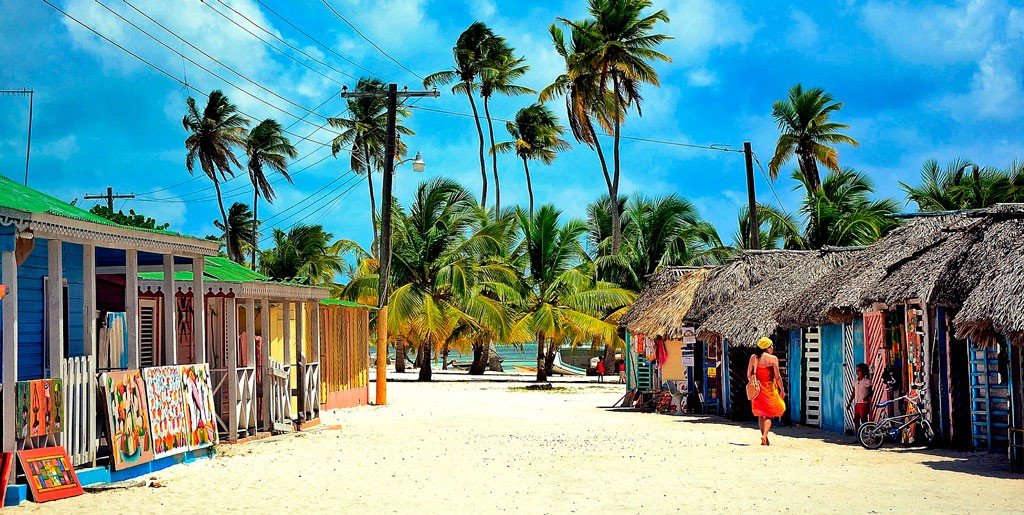
The Dominican Republic has long been ranked among the most important tourism countries in the Caribbean region. Its position is not the result of short-term trends or a single type of attraction, but rather a carefully developed tourism model that combines political stability, favorable geography, strong cultural identity, and infrastructure designed to welcome visitors from all over the world.
This article serves as a pillar guide, presenting the Dominican Republic not merely as a vacation destination, but as a fully developed tourism country with depth, structure, and long-term sustainability.
Geographic Location and Its Impact on Tourism
The Dominican Republic occupies the eastern portion of the island of Hispaniola and has access to both the Atlantic Ocean and the Caribbean Sea. This unique geographic position gives the country exceptional environmental diversity, which directly supports its tourism development.
Within a relatively compact area, travelers encounter long sandy beaches, tropical rainforests, mountain ranges, fertile valleys, rivers, and numerous protected natural areas. As a result, the Dominican Republic is not a one-dimensional destination. It offers both classic beach vacations and active inland exploration, making it attractive to a wide range of travelers with different interests.
Tourism as a Foundation of the Dominican Economy
Tourism is one of the primary pillars of the Dominican economy and has been strategically developed for decades. Investments in international airports, road networks, hotel infrastructure, and public safety have positioned the country as one of the best-prepared tourism destinations in the Caribbean.
Importantly, the Dominican tourism model does not rely solely on resort hotels. It also includes national parks, cultural attractions, and organized excursions, creating a diversified and resilient tourism economy rather than dependence on a single travel segment.
Dominican History and Its Role in Cultural Tourism
The Dominican Republic holds a crucial place in the history of the New World. Some of the first European settlements in the Americas were established here, and many cities still retain their colonial character. This historical heritage is visible in architecture, urban layouts, monuments, and museums.
For travelers, this means the opportunity to experience the Dominican Republic not only as a beach destination, but also as a country with real historical depth. Cultural tourism continues to grow in importance, particularly among visitors interested in understanding the broader Caribbean context.
Living Culture as Part of Everyday Life
Dominican culture is not confined to museums or tourist performances. It is alive, dynamic, and deeply embedded in everyday life. Music, dance, food, and social interaction form a natural part of the national identity and are easily accessible to visitors.
Merengue and bachata are not simply musical styles—they are expressions of emotion, connection, and social life. Travelers quickly notice that the Dominican Republic is a country where human interaction and rhythm shape daily experience.
Dominican Lifestyle and the Tourist Experience
Dominicans are widely known for their openness, hospitality, and strong community bonds. Family and social relationships play a central role in daily life, influencing how visitors are welcomed and treated.
For tourists, this creates opportunities to move beyond passive resort stays and experience the country in a more personal and engaging way. Encounters with local residents often become some of the most memorable aspects of a trip.
Dominican Cuisine as National Identity
Dominican cuisine reflects the country’s history, geography, and agricultural traditions. Rice, beans, plantains, meats, fish, and tropical fruits form the foundation of everyday meals.
Food plays an important social role. Shared meals are central to family and community life, and for travelers, local cuisine offers one of the most direct and authentic ways to connect with Dominican culture.
Safety in the Dominican Republic – Facts and Reality
Safety is one of the key factors influencing a country’s attractiveness as a tourism destination. The Dominican Republic has invested for years in tourism-focused security systems, including dedicated tourist police units and monitoring in major travel regions.
As with any destination, common-sense precautions are recommended. However, the Dominican Republic is widely regarded as a safe country for tourists, especially in areas with developed tourism infrastructure. Its long experience hosting millions of visitors annually contributes to predictable and stable travel conditions.
Dominican Beaches as a Global Signature
The beaches of the Dominican Republic are one of the country’s most recognizable global assets. Wide coastlines, light sand, and warm, clear waters regularly place the country among the world’s top beach destinations.
A key advantage is that Dominican beaches are public by law, allowing visitors freedom of access and the ability to explore different coastal regions without restrictions.
Nature and National Parks
The Dominican Republic features an extensive network of national parks and protected areas. These sites preserve local ecosystems while also serving as major tourism assets.
Thanks to this system, visitors can experience not only beach relaxation, but also hiking, cave exploration, wildlife observation, and access to less-developed parts of the island.
Excursions as a Gateway to the Real Country
Organized excursions play a central role in Dominican tourism. They allow travelers to leave hotel zones and experience the country in its natural, cultural, and social context.
It is during these trips that the Dominican Republic reveals its real character—beyond brochure imagery and closer to everyday local life.
The Dominican Republic as a Destination for International Travelers
The Dominican Republic remains one of the most popular long-haul destinations for travelers seeking warmth, safety, and reliable infrastructure. Stable climate conditions, high service standards, and a wide range of experiences make it attractive for both first-time visitors and returning travelers.
Many people return multiple times to explore new regions and attractions, benefiting from the country’s continuously expanding tourism offerings.
FAQ – The Dominican Republic as a Tourism Country
Is the Dominican Republic safe for tourists?
Yes. The Dominican Republic is considered a safe destination, particularly in areas with established tourism infrastructure.
Is the Dominican Republic only about all-inclusive resorts?
No. The country offers rich culture, history, and natural landscapes best explored beyond resort boundaries.
Is it worth exploring the country?
Absolutely. Exploring the Dominican Republic provides a deeper understanding of its people, culture, and environment than a resort stay alone.
Conclusion – A Mature Caribbean Tourism Destination
The Dominican Republic has achieved full tourism maturity. It successfully combines modern infrastructure with authentic culture, safety with openness, and relaxation with meaningful exploration. This balance is why the country remains one of the Caribbean’s most important tourism destinations and continues to attract travelers year after year, regardless of changing global trends.